
Restaurant Technologies
Industrial Redevelopment / Class-A Last-Mile Warehouse Development
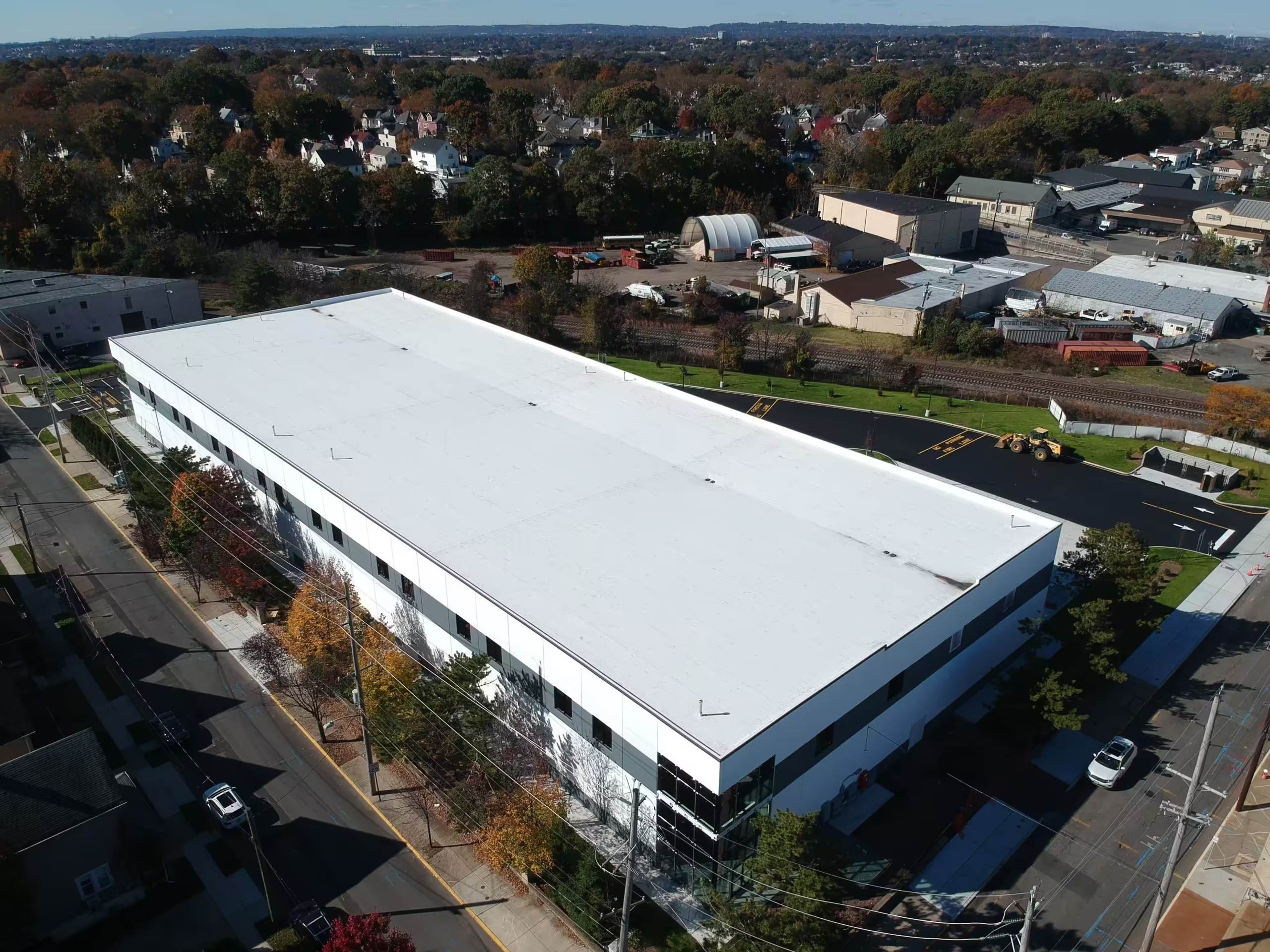
Beating the Supply Chain Crisis and Delivering 47,310 SF in 10 Months
Location
85 Herman Street
East Rutherford
ROLE
Class-A Last-Mile Warehouse Development
TIME
10 Months
$0.00
Change Orders
Zero Surprises
The former Sun Chemical facility at 85 Herman Street in East Rutherford had been a liability for years – a contaminated 2.8-acre manufacturing site that required full environmental remediation. Most buyers reviewed the Phase II assessment and moved on.
Deugen Development saw the same assessment and saw something different: a Meadowlands site just over a mile from Route 17, with direct access to Route 3 and the New Jersey Turnpike, 14 miles from Port Newark, in a market where smaller infill industrial space was in high demand and almost impossible to find.
The complexity was the point. Contamination kept competing buyers at bay, creating an opportunity for Deugen to acquire the property, manage the environmental risk, and develop a Class-A industrial facility. By securing a tenant and ultimately selling the completed asset to institutional capital, Deugen turned the challenging property into a valuable industrial investment.
“This new location will continue to accelerate our growth in northern New Jersey and elevate service to over 1,500 existing customers in the greater New York City metropolitan market.”
Jeff Kiesel, CEO, Restaurant Technologies
The Challenges
The biggest challenge was that nothing about this project was plug-and-play.
The site had to be remediated before construction could even begin in a meaningful way. As a former manufacturing property, that meant environmental oversight, documentation, and cleanup had to be handled properly from the start. If that part is rushed or handled loosely, it creates bigger problems later.
There was also the challenge of getting the product right. This was not a site for a giant-box warehouse. The opportunity was in delivering a smaller infill industrial building with modern specs in a location where that kind of product is hard to find.
Timing added another layer. The project moved during a period of major supply chain disruption, so materials had to be secured early to avoid unnecessary delays and keep the redevelopment moving.
This was not just another construction job. It meant cleaning up a former industrial site, managing risk the right way, and delivering a product the market would respond to.
The Process
Getting the Site Clean
Murphy Schiller & Wilkes handled regulatory coordination while we managed remediation. We documented everything and worked closely with environmental consultants to make sure state regulators were comfortable.
That work paid off later. When Sagard went through due diligence, the environmental file held up because it had been done properly and documented the right way.
Beating Supply Chain Problems
Once remediation was on track, we ordered materials before final approvals were in place. Steel was ordered in late 2020 and early 2021. Roof insulation was purchased about eight months early, and electrical components were locked down ahead of schedule as well.
Waiting for a normal procurement timeline would have pushed the schedule out significantly.
Ten-Month Construction
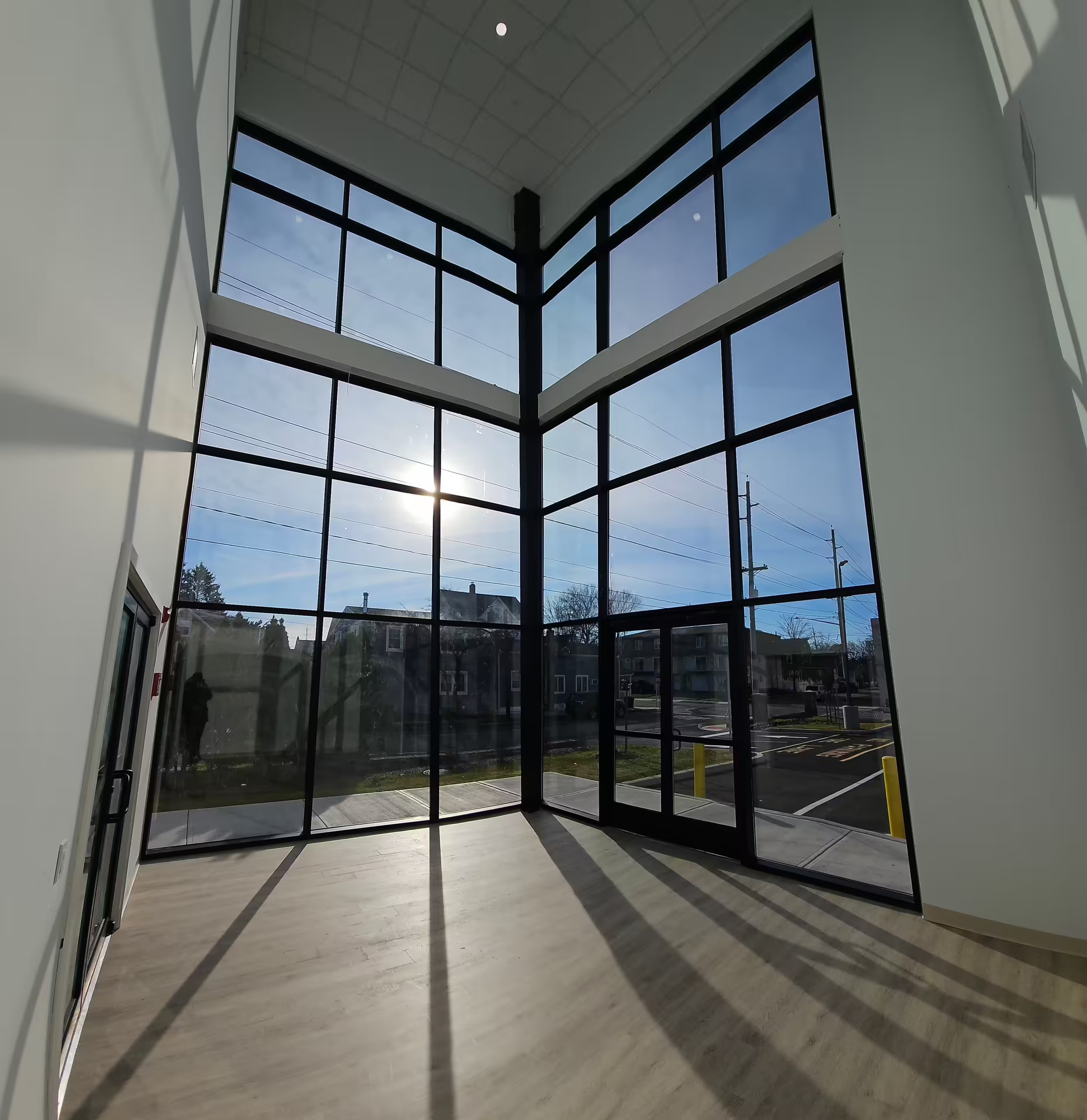
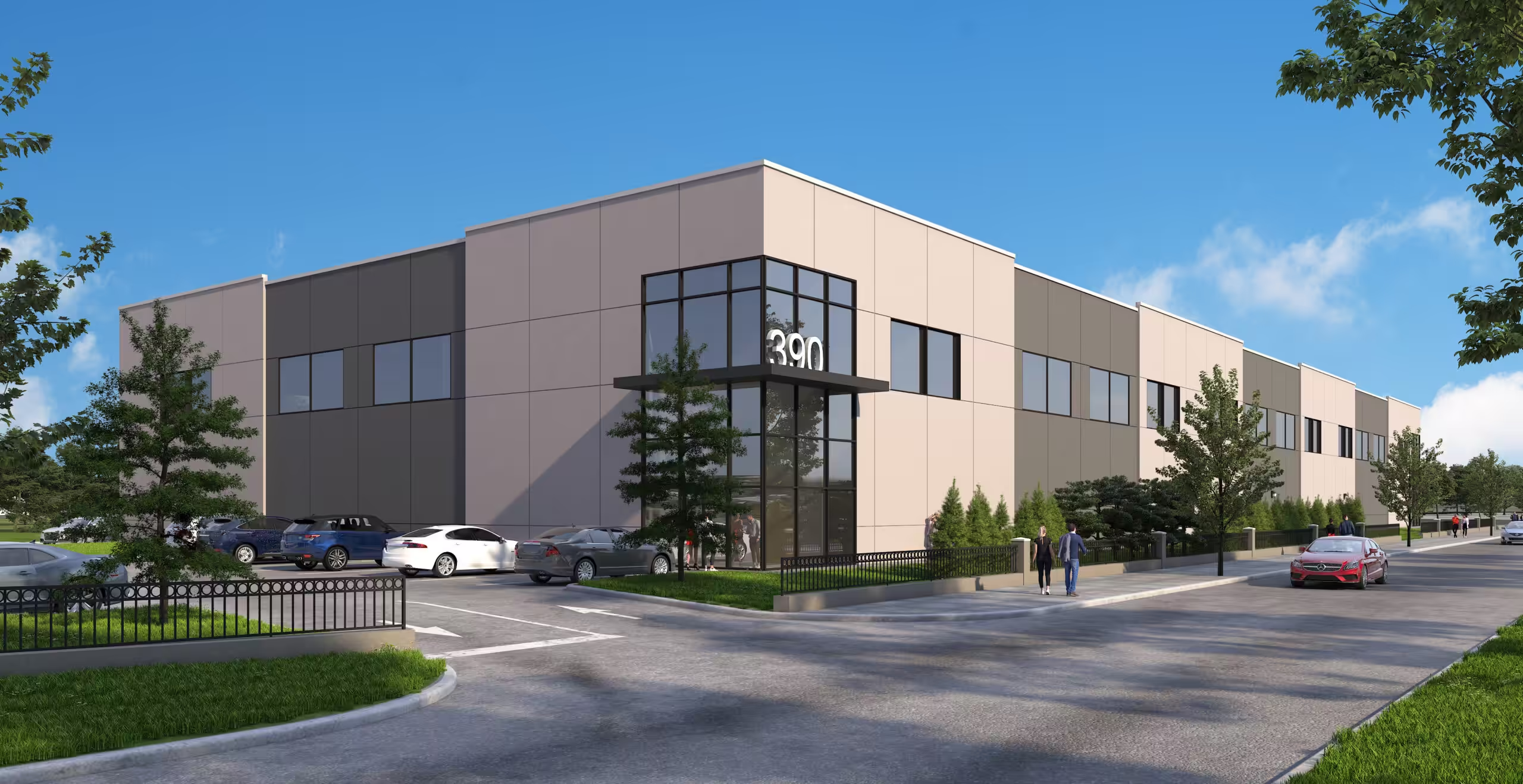
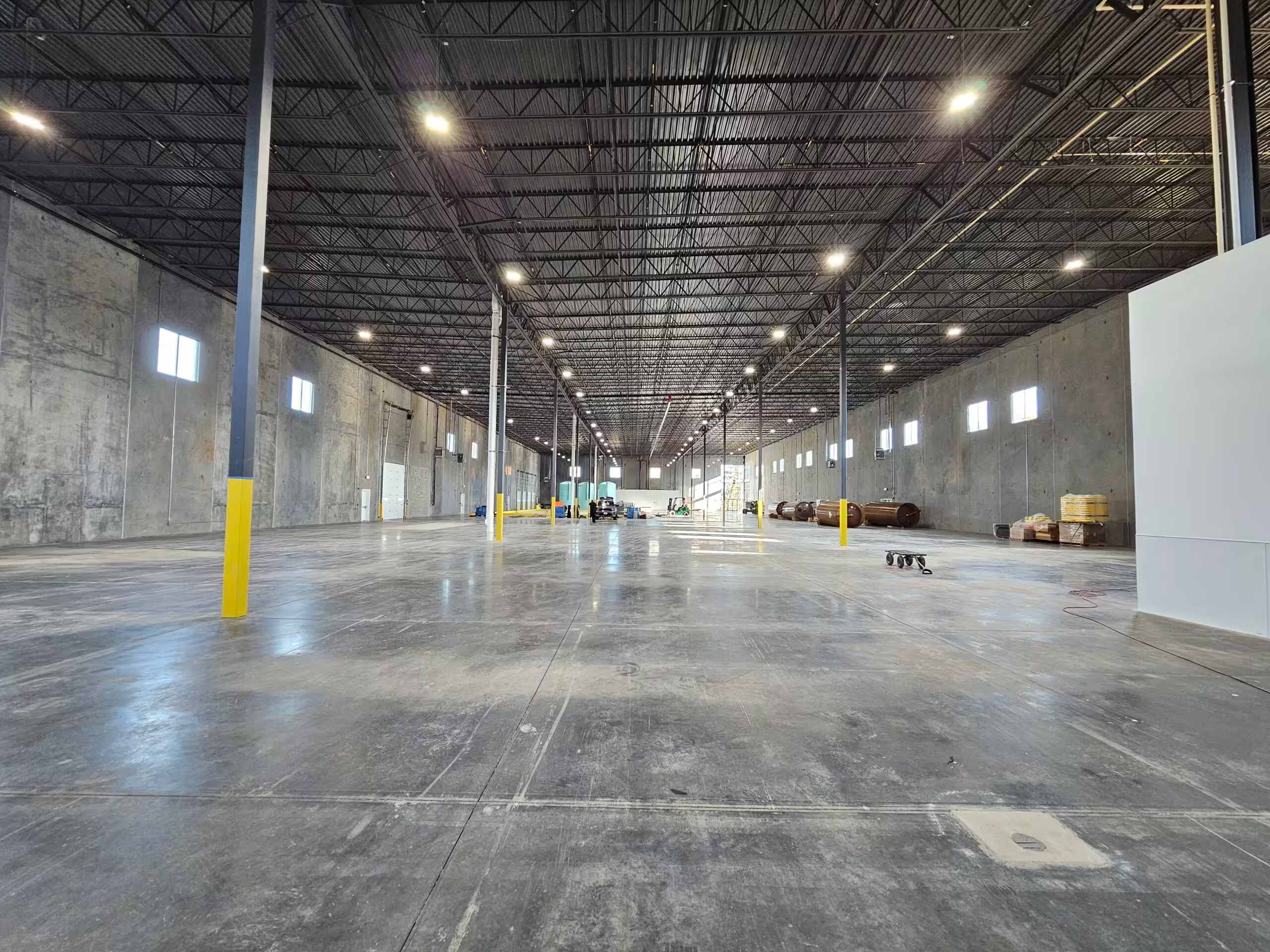
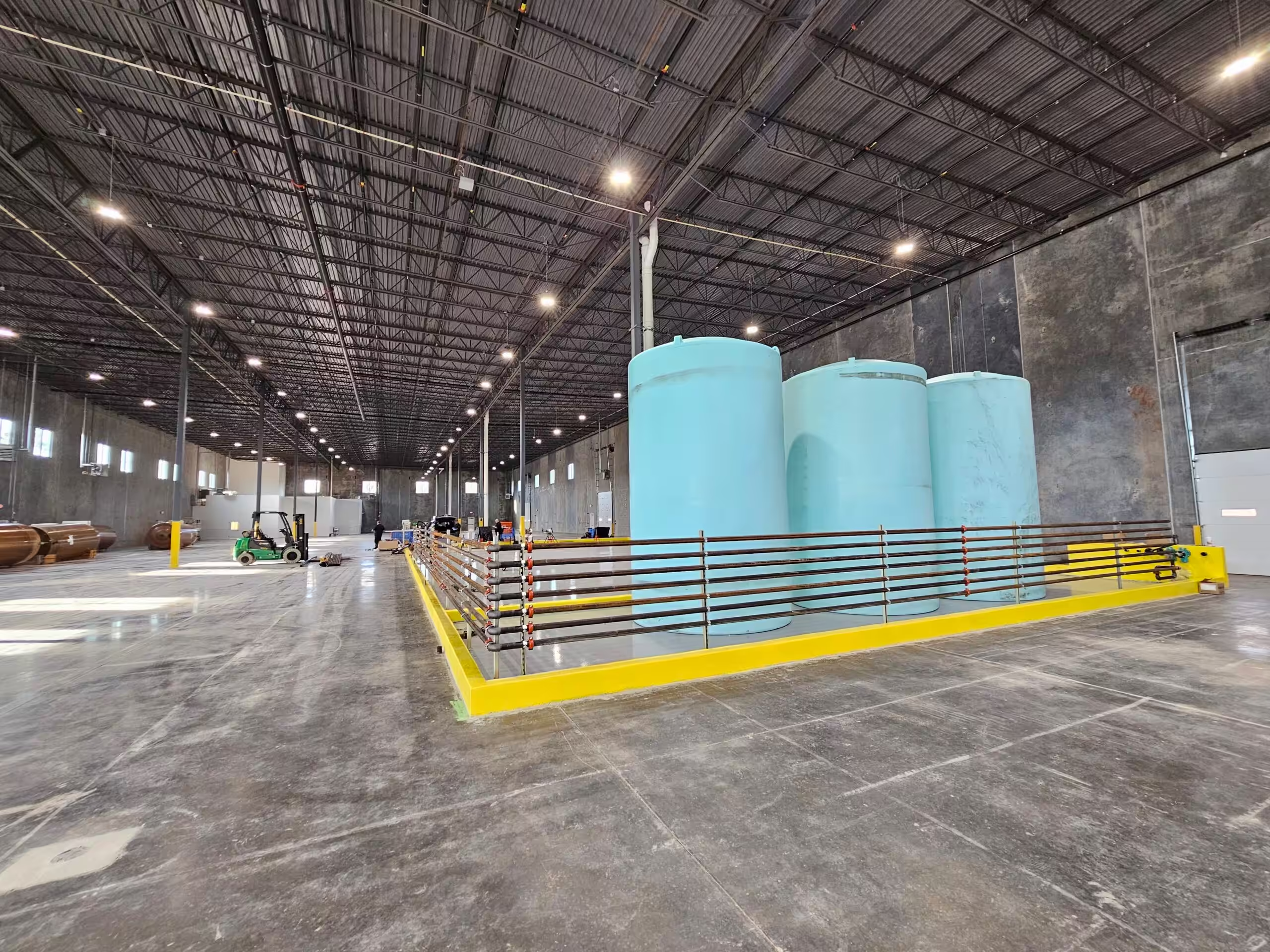
We built a 47,310 SF warehouse designed for last-mile logistics, including:
01
36-foot clear height for modern racking
02
Four loading docks and two drive-in doors
03
3,000 SF of office space
04
41 parking spaces
05
Class-A finishes and modern systems
The goal wasn’t just to replace an old building with a new one but to deliver the right industrial product for this location and this market.
Tenant and Sale
Avison Young’s team brought Restaurant Technologies into the deal during construction. The company needed a hub location with strong highway access to support fleet operations serving more than 1,500 customers across northern New Jersey and the NYC metro area.
Securing Restaurant Technologies during construction strengthened the project’s investment appeal. Rather than delivering a vacant speculative warehouse, Deugen was creating an income-producing industrial asset with an established tenant in a strategic location.
From there, CBRE’s team brought Sagard Real Estate to the table. With environmental remediation addressed, a modern Class-A facility, and a creditworthy tenant in place, the property aligned with what institutional buyers were looking for.
“I am proud to deliver this Class A property to the Meadowlands. We believe these smaller infill projects will continue to be an area of strength for Deugen given the high barriers to entry, scarcity of remaining developable sites and larger institutions often focusing their resources on projects of greater scale.”
Eric Gormeley, CEO, Deugen Development
The Results
Timeline:
- Acquisition: August 2022
- Sale: February 2024
- Duration: ~10 Months
Class-A warehouse in the Meadowlands
Jeff Kiesel, CEO of Restaurant Technologies, said:
“This new location will continue to accelerate our growth in northern New Jersey and elevate service to over 1,500 existing customers in the greater New York City metropolitan market.”
Why Remediation Created The Opportunity
Environmental contamination scared off competing buyers, which kept acquisition costs low enough to absorb cleanup, demolition, and new construction while still creating value.
But a discounted purchase only matters if the remediation is done right. If the cleanup is incomplete or poorly documented, the liability stays with the property and kills institutional interest later.
We took the opposite approach. We invested in proper documentation, regulatory compliance, and doing the work the right way from the start.
By combining environmental risk management with strategic industrial development and tenant placement, Deugen transformed a challenging acquisition into an attractive investment opportunity. The eventual sale to Sagard Real Estate demonstrates how disciplined execution can create value where other buyers see too much risk.
Project Gallery
RESTAURANT TECHNOLOGIES
Complete
Conclusion
Most NJ developers avoid contaminated sites because remediation is complex and risky. That’s exactly why opportunities like this exist.
Deugen saw potential where others saw liability. By acquiring the property at the price that reflected its challenges, managing environmental remediation, developing a 47,310 SF Class-A industrial facility, and securing Restaurant Technologies as a tenant, the team positioned the asset for a successful sale to institutional capital.
The 85 Herman Street project demonstrates Deugen’s ability to identify overlooked industrial opportunities, manage complex development risks, and create value through every stage of the investment lifecycle.
Have a contaminated site or complex redevelopment in New Jersey? Discuss a Development Opportunity