

Faropoint
Class-A Industrial Development Partnership
Unanimous planning board approval in June 2024
Location
705 Joyce Kilmer Avenue
New Brunswick
ROLE
Class-A Industrial Development Partnership
TIME
Construction SEP 2025 Delivery: JUL 2026
$0.00
Change Orders
Zero Surprises
Designed to meet strong Exit 9 demand for modern industrial facilities under 100,000 SF
Flexible layout for up to four tenants
Built around institutional-grade specs in a supply-constrained submarket
The Challenges
Exit 9 is one of the strongest industrial locations in New Jersey. With direct access to the NJ Turnpike and Route 18, it serves as a critical transportation hub for businesses moving goods throughout the Northeast.
The challenge was transforming an obsolete industrial facility into a modern Class-A warehouse while preserving operational efficiency and meeting strict development timelines.
There was also strong demand from tenants seeking high-quality industrial space in a market with limited availability. The project needed to deliver flexibility, functionality, and long-term value.
Rather than forcing tenants into oversized facilities, the development was designed to accommodate businesses that needed modern warehouse space without taking on more space than they need.
On top of that, we were targeting a market segment most developers ignore: facilities under 100,000 SF with Class-A quality for tenants who need modern specs without taking on more space than they need.
The Process
Faropoint came into the project after we’d secured entitlements, but from that point forward it became a true partnership. They weren’t just providing capital, they were involved in construction planning, design, refinement, and strategic decisions as we moved toward groundbreaking.
Assembling the Team and Securing Approvals
We put together a team that understands how New Brunswick works:
- Thomas Kelso from Kelso Burgess handled land use
- James Henry and Justin Taylor from Dynamic Engineering managed civil and traffic engineering
- Kate Keller from Phillips Preiss Grygiel Leheny Hughes led planning
The application addressed every concern upfront and in June 2024, the board approved the project unanimously. No delays and no conditions that would’ve added costs or pushed timelines.
Designing for Market Needs
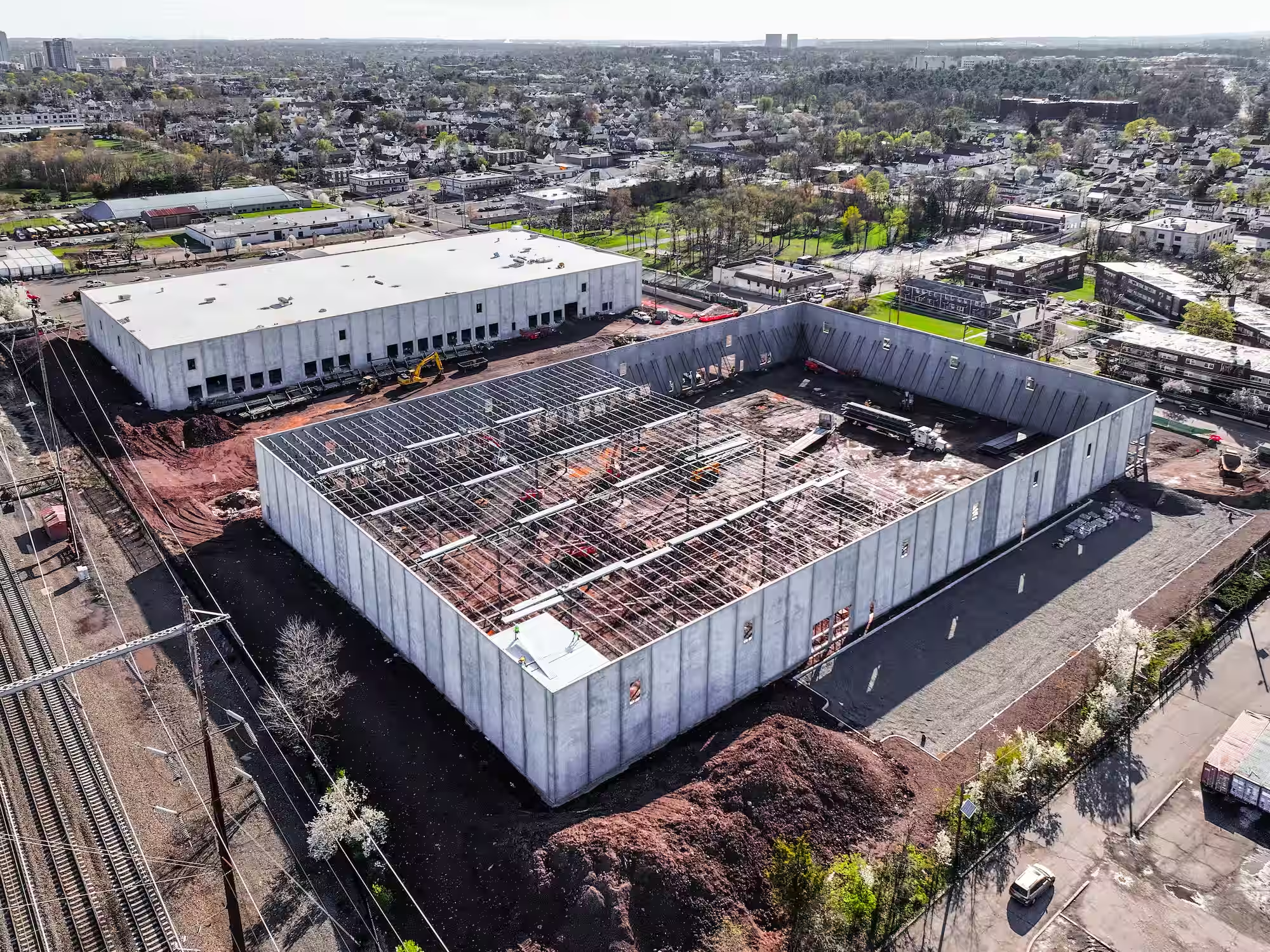
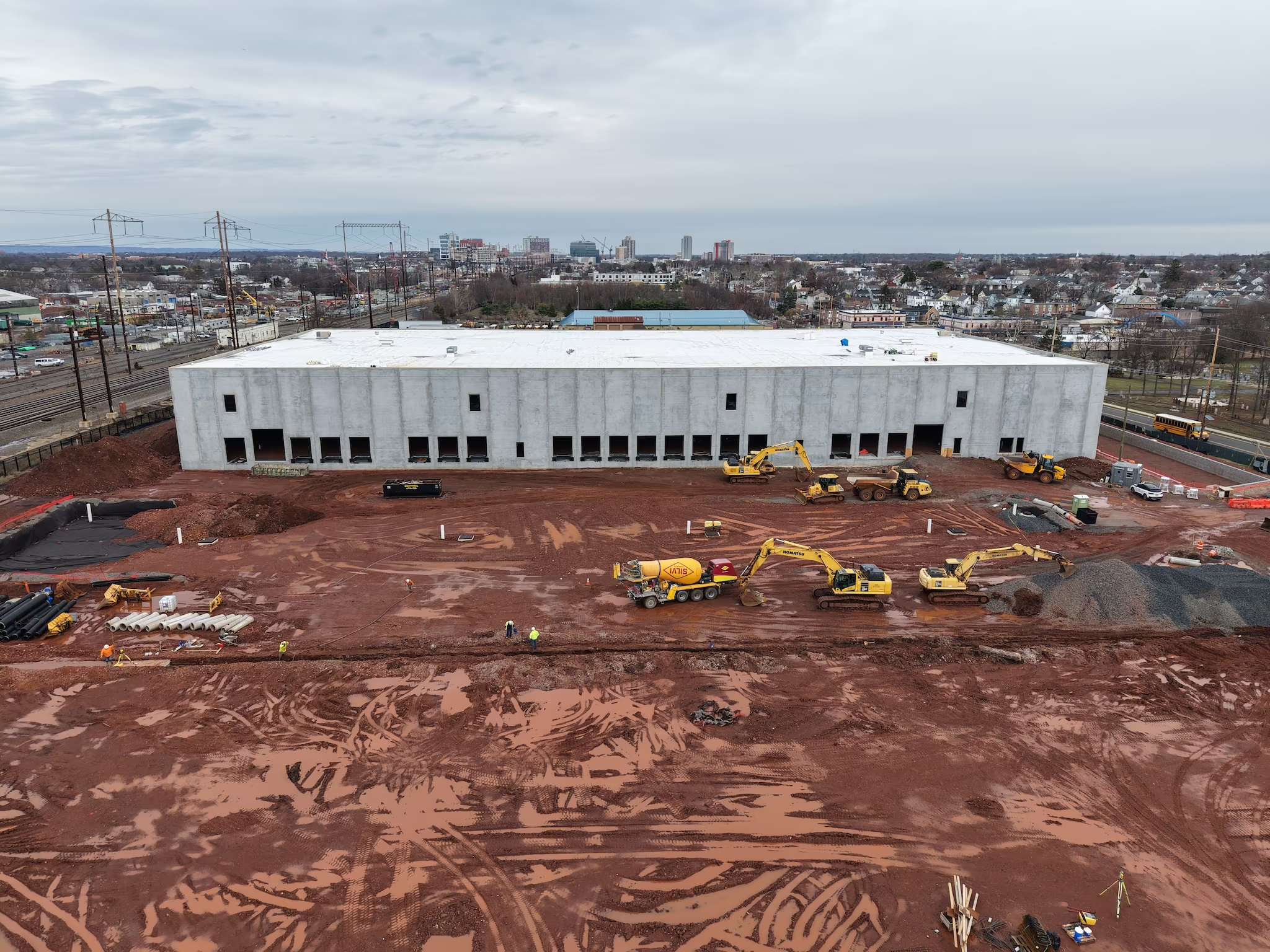
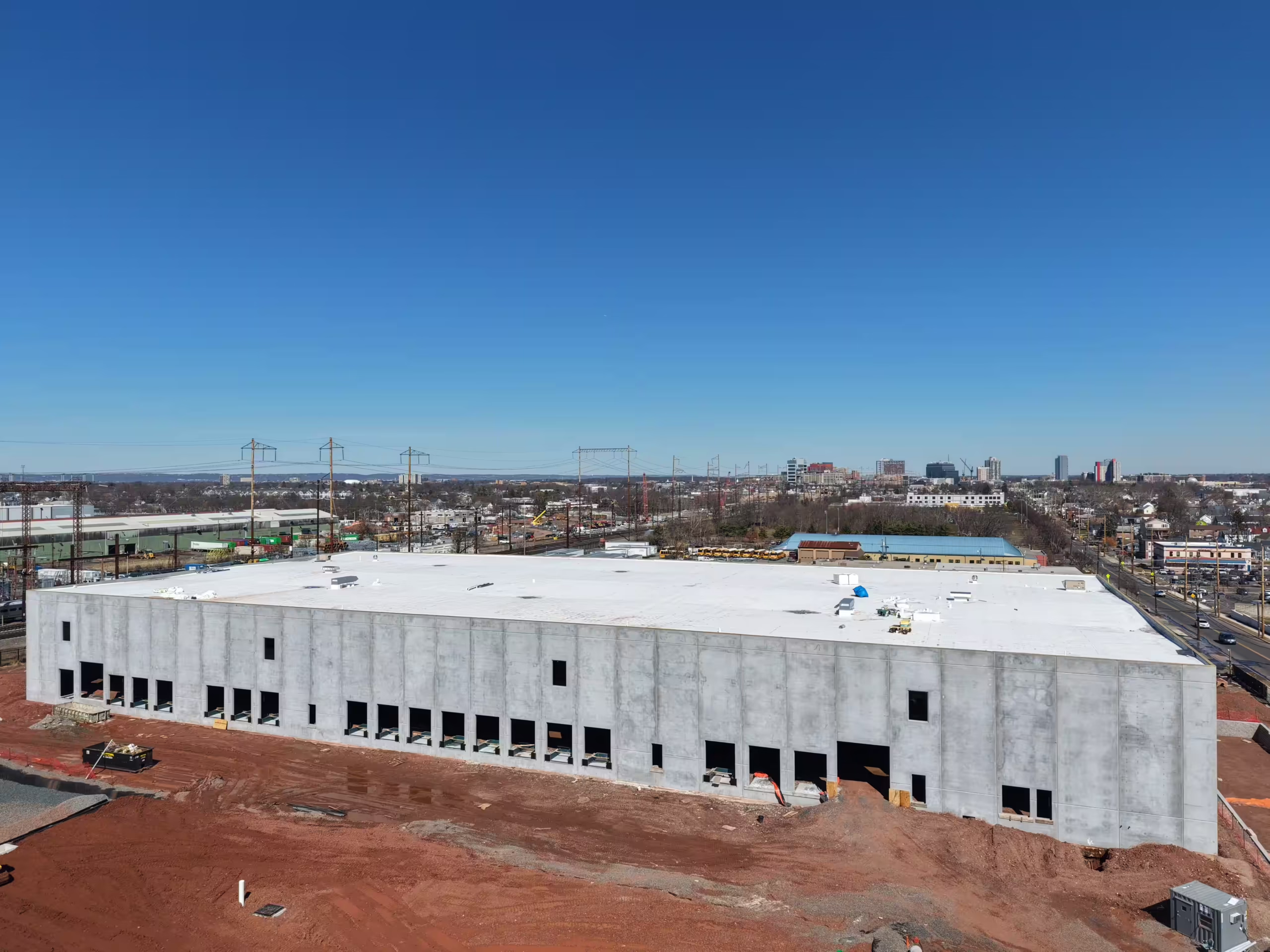
Brian M. Taylor and Stacy Mulrain from Taylor Architecture designed two buildings- 109,799 SF and 85,622 SF – organized around a central truck court. This layout keeps loading docks out of sight while making truck movement efficient and safe for drivers.
Key specification:
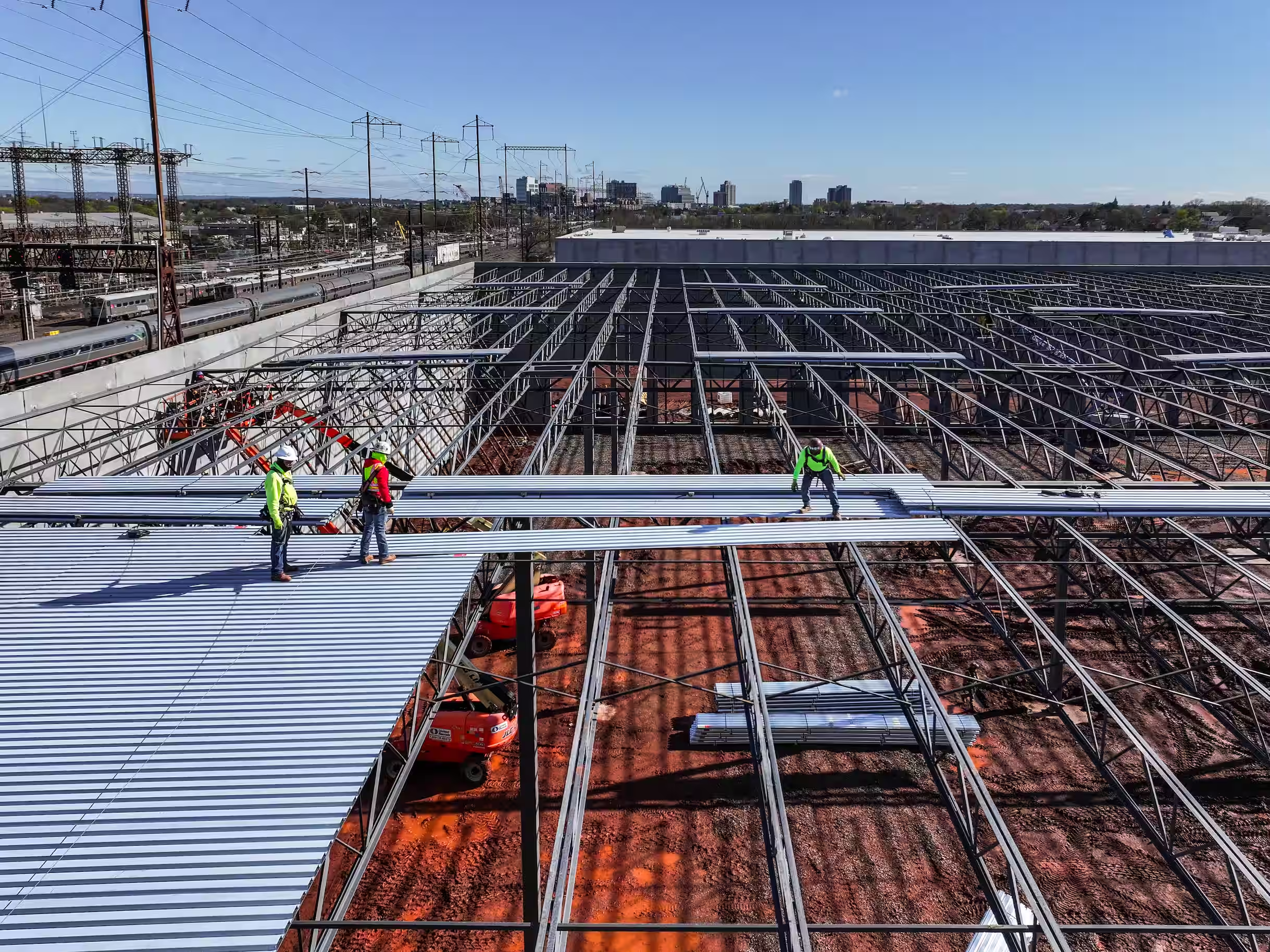
36-foot clear height for modern racking
32 loading positions across both buildings. 15,000 SF of office space
Flexible layout accommodating up to four separate tenan
97 parking spaces including eight with EV charging
Making the Site Work
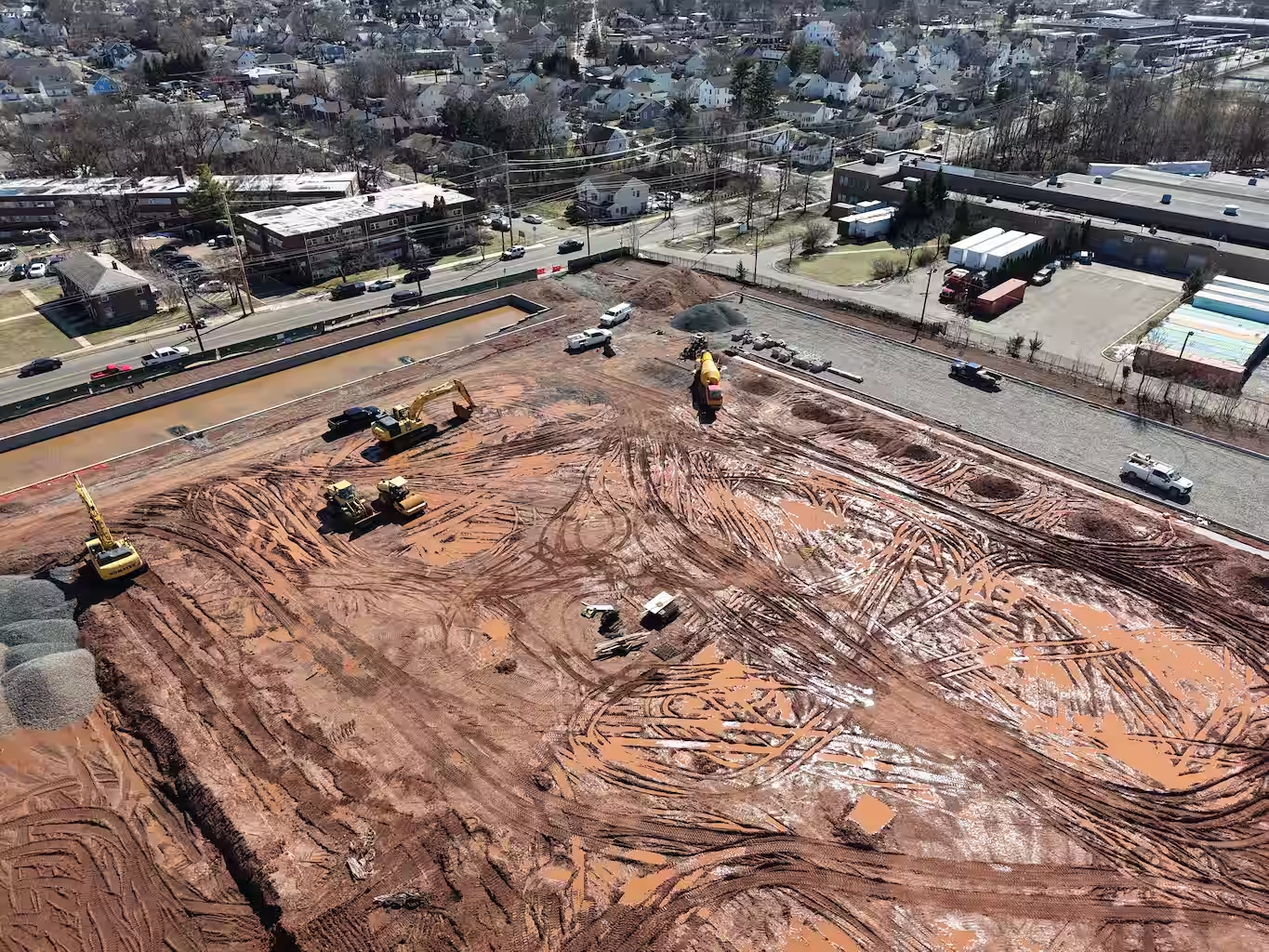
Dynamic Engineering integrated bioretention basins into the site design for stormwater management from the beginning.
The entrance aligns with an existing intersection to support smoother truck access, and the turning radius was designed to help trucks move in and out safely.
The architecture is clean and functional, with precast concrete in three shades of gray, natural light throughout, and curtainwall glazing at entries. It is a stronger product than the typical warehouse box without trying to be something it’s not.
“Our longstanding presence in the New Jersey market, combined with Faropoint’s innovative approach to industrial real estate and proven ability to execute, creates a powerful partnership. The Joyce Kilmer Logistics Center represents the type of strategic development that leverages both companies’ strengths to deliver a product that meets the evolving needs of today’s industrial users.
— Eric Gormeley, CEO, Deugen Development
The Results
What The Project Delivers
When complete, Joyce Kilmer Logistics Center will deliver 195,421 SF of Class-A industrial space across two buildings in one of New Jersey’s most strategic industrial submarkets.
More importantly, the project directly addresses a clear gap in Exit 9’s industrial market: strong demand for modern facilities under 100,000 square feet in a submarket where quality supply hasn’t kept pace with tenant needs.
Four-story self-storage and truck rental facility completed in Saddle Brook, NJ
Why This Partnership Works
This partnership works because each side brought something different to the table, and both mattered.
Faropoint brought market intelligence and institutional capital behind the opportunity. We brought execution capability, knowledge of local approval processes, established relationships with the teams who can deliver, and decades of experience in the New Jersey market.
Good partnerships aren’t about doing the same exact thing. They work when each side brings the right strengths, and that is exactly what happened here.
Project Gallery
Faropoint
Complete
Conclusion
Joyce Kilmer Logistics Center reflects a different kind of industrial development strategy: identify the gap through data, secure entitlements, bring in institutional capital partners whose data validates the approach, and execute construction with local expertise.
For tenants in Exit 9, that means Class-A facilities designed for modern logistics in a market where quality options are limited. For Faropoint’s investors, it means a strategic asset in a supply-constrained submarket with solid fundamentals.
Planning an industrial development in New Jersey? Work with a team that knows the market and can actually execute.
Ready to Build With a Partner You Can Trust?
Tell us about your project. Whether you are in early planning or have site plan approval in hand, Deugen provides a free initial consultation to help you understand your options, budget, and timeline — with zero obligation.